

Escalating Protests Inside Prisons: Human Rights Organizations Call for the Protection of Detainees, Investigations into Abuses, and an End to the Pretrial Detention Crisis
The undersigned human rights organizations express their grave concern over reports and information they have received and documented regarding protests in several prisons in recent weeks, as well as protests during some court hearings, in which detainees demanded their release and an end to their prolonged pretrial detention. These protests and calls for protest have involved several prisons, including Minya, 10th of Ramadan, Abu Zaabal, Badr, and New Valley, in opposition to prolonged detention without resolution of detainees’ legal status.
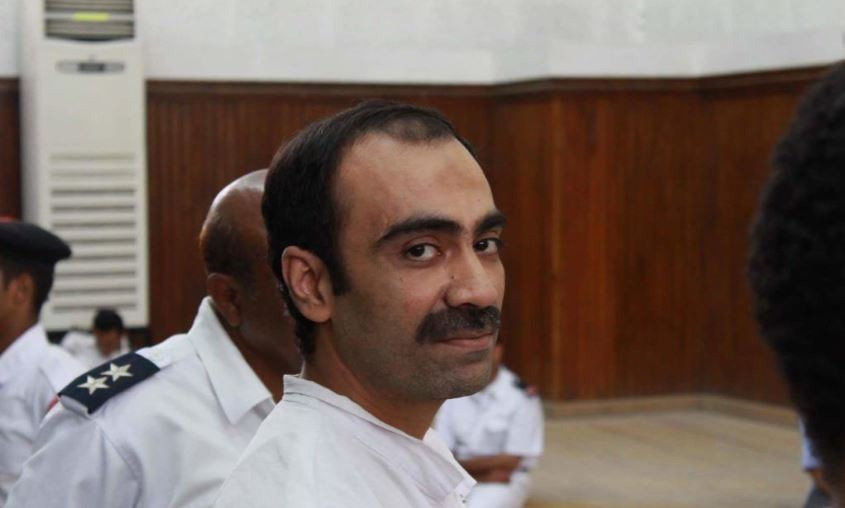
Recent some court hearings have witnessed protests, including detainees’ refusal, during one hearing, to leave the courthouse holding cell and appear before the court. They protested their continued detention and demanded their release and the implementation of provisions reducing pretrial detention periods under the new Criminal Procedure Code. The Code was scheduled to take effect on 1 October, before the House of Representatives approved a one-year postponement just days before its scheduled entry into force. During one of these hearings, one defendant received a one-year prison sentence for disrupting courtroom proceedings. This raises serious concerns that detainees’ protests may be met with additional penalties and requires an examination of the circumstances of the ruling, its legal basis, and whether the right to a defense was adequately guaranteed.
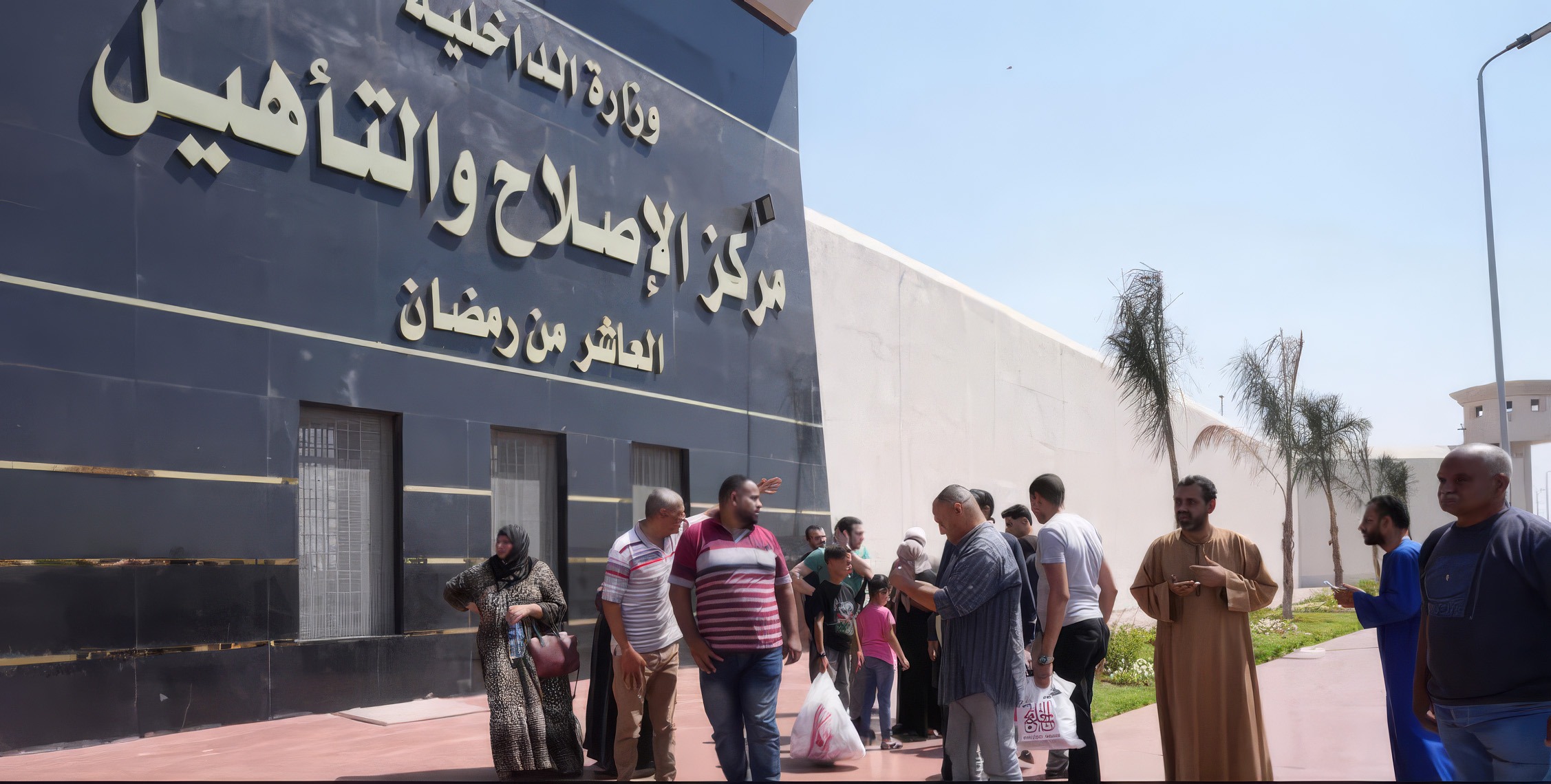
These developments coincided with messages attributed to detainees in several prisons describing preparations for protests during October, including hunger strikes and refusals to accept prison food rations or attend hearings. Amid reports of protests inside the 10th of Ramadan Rehabilitation Center and Prison and security forces entering detention areas to bring them under control, the organizations also documented the confiscation of personal belongings from detainees and the transfer of detainees participating in the protests to other cells within the same prisons or to other prisons far from their original places of detention, in what is known as “taghrib,” or transfer to distant prisons. This occurred to several detainees, including researcher Ismail Alexandrani. This raises serious concerns that transfers may be used to punish or isolate protesters. It requires an urgent, independent investigation into the circumstances of these transfers and whether security interventions, including attempts to control the protests, involved the use of force, assaults, or punitive measures against detainees.
These protests are taking place against the backdrop of a longstanding pretrial detention crisis, compounded by expectations surrounding the implementation of the new Criminal Procedure Code and its provisions reducing the maximum periods of pretrial detention, before its entry into force was postponed for one year. The authorities bear responsibility for the expectations they created regarding efforts to address the pretrial detention crisis, particularly after linking the Code’s implementation to addressing aspects of that crisis, then postponing it without taking urgent, concrete measures to ensure the release of those who have reached the statutory limits or whose continued detention is no longer justified.
The organizations emphasize that postponing the implementation of the new Criminal Procedure Code does not diminish any detainee’s right to release once they have exceeded the statutory maximum period of pretrial detention. The law currently in force, as amended by Law No. 145 of 2006, sets maximum periods of pretrial detention that may not be exceeded: six months for misdemeanors and eighteen months for felonies, rising to two years for offenses punishable by life imprisonment or death. At its core, the crisis concerns not only the absence of legal provisions, but also the extent to which they are respected and enforced, and practices that have led to the use of pretrial detention beyond its lawful purpose. These include detaining people for peacefully exercising their rights and circumventing statutory detention limits by detaining them again in new cases based on the same underlying facts.
In this context, the undersigned organizations call on the Egyptian authorities to take urgent action to ascertain detainees’ conditions, review the legal status of those who have exceeded the statutory limits on pretrial detention, ensure the enforcement of release orders, and open independent investigations into any abuses or use of force against detainees participating in protests inside prisons. They also call for an end to retaliatory measures, arbitrary transfers, and restrictions on visits and communication, and for detainees to be guaranteed medical care. The Public Prosecution and the National Council for Human Rights must also fulfill their responsibilities to oversee and inspect places of detention.
The organizations further call for concrete steps to end the use of pretrial detention in politically motivated cases or against people for exercising their rights to freedom of expression, association, and peaceful assembly. They emphasize that even for offenses punishable by death or life imprisonment, pretrial detention is subject to a maximum limit of two years, with no exception permitting indefinite pretrial detention. They also call for an end to “case recycling”—placing defendants in new cases and detaining them again on the basis of the same underlying facts.
Signatory organizations:
- Egyptian Front for Human Rights
- Refugees Platform in Egypt
- Law and Democracy Support Foundation
- Committee for Justice
- El Nadeem Center
- Sinai Foundation for Human Rights
- Egyptian Human Rights Forum (EHRF)
- EgyptWide for Human Rights
- Egyptian Commission for Rights and Freedoms
- Egyptian Initiative for Personal Rights (EIPR)
Tags
Recent Posts

Most viewed


Related Postes
 English content