

Egypt: Human Rights Organizations Call for an Independent Investigation into Unlawful Airstrikes Targeting Gold Miners Near the Sudanese Border
The undersigned human rights organizations condemn Egypt’s presumed airstrikes against scores of Sudanese artisanal miners near the Sudan-Egypt border on 10 October 2026, in what appear to be mass extra-judicial killings. This comes within a context of escalating tensions in recent months over the control of lucrative mineral resources in a contested frontier area. CIHRS supports Sudanese rights groups’ calls for an independent investigation into the events of 10 October to establish responsibilities and for the perpetrators to be held accountable.
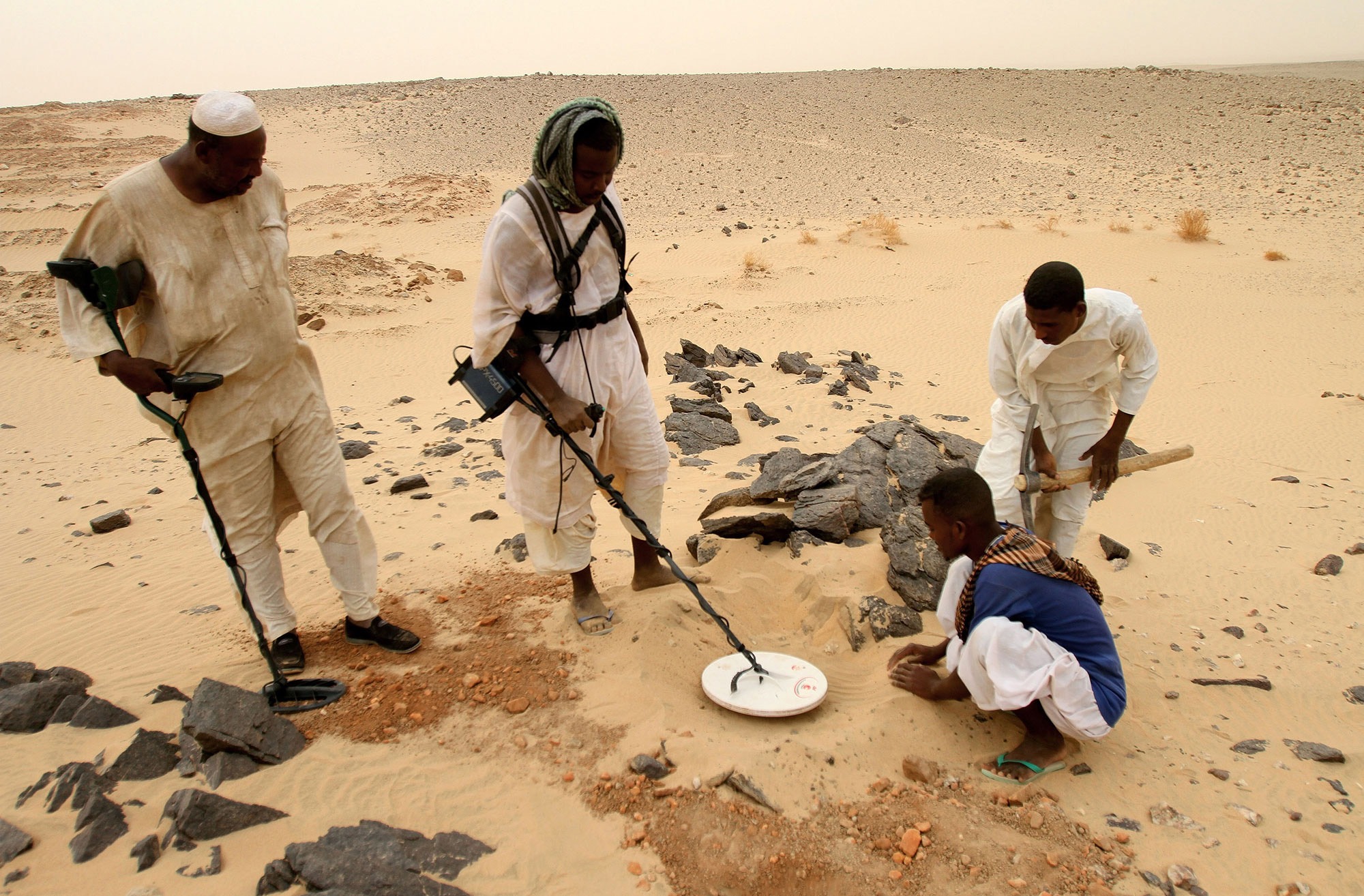
On 10 October 2026, artisanal gold miner camps on Jabal al-‘Uqaydat in the Shamal al-Wadi region near the Sudan-Egypt border were hit by multiple airstrikes, killing dozens of miners; survivors at the scene uploaded graphic video footage and photos of the aftermath to social media. On 12 October, Sudan's Transitional Sovereignty Council announced plans to form a fact-finding committee to investigate the killings but refrained from blaming Egypt. While Egyptian authorities have neither confirmed nor denied carrying out the strikes, a military spokesperson acknowledged that day that Egypt was conducting operations against illegal gold mining in the Eastern Desert and had distributed leaflets beforehand.
The New York Times reported “what appeared to be Egyptian munitions” in videos taken after the strikes, including “an unexploded Egyptian NASR 400 bomb” according to an explosive ordnance expert. The Sudanese independent outlet Ayin Network published an investigative report with open-source and satellite experts identifying two locations associated with the strikes, one in the Halayeb triangle, a long-disputed border area between Egypt and Sudan, and the other clearly inside Egyptian territory. The digital platform Sudanese Echo also states it has independently geolocated the same two areas. According to Ayin Network and the experts they consulted, there is “evidence linking the operation to US-made F-16 fighter jets [and] Egyptian-made bombs.”
Taken together, these findings provide credible grounds to believe that Egyptian forces carried out the strikes and underscore the need for an independent investigation into their responsibility. After the 10 October strikes and a similar event in June 2026 in which independent media and OSINT analysts reported a number of civilian artisanal miners killed, the Egyptian Ministry of Defense and military commentators asserted without evidence they are targeting “criminal elements” involved not only in illegal mining but also in the smuggling of arms, narcotics and people.
Egypt’s obligation to respect the miners’ right to life applies whether the strikes occurred in Egypt or Sudan. In a law enforcement operation, intentional lethal force is permissible only when strictly necessary to protect life, not simply to stop illegal mining. Distributing warning leaflets does not alter that requirement. The presence of armed “elements” in the artisanal mining areas, as alleged by the Defense Ministry, does not make mining sites or civilian miners legitimate targets for military airstrikes, drone strikes or shelling.
Artisanal miners can face life-threatening dangers, including collapsing shafts, serious injuries and exposure to toxic chemicals. Egyptian authorities should protect workers from these hazards, not compound them through unlawful lethal force. Egyptian authorities must end these attacks, ensure independent and impartial investigations, and hold those responsible to account. Any enforcement of mining laws or border controls must respect human rights and the rule of law.
Signatory organizations:
- Cairo Institute for Human Rights Studies (CIHRS)
- Egyptian Front for Human Rights
- Law and Democracy Support Foundation
- EgyptWide for Human Rights
- El Nadeem Center
- Association for the Freedom of Thought and Expression (AFTE)
- Sinai Foundation for Human Rights
- Egyptian Human Rights Forum (EHRF)