


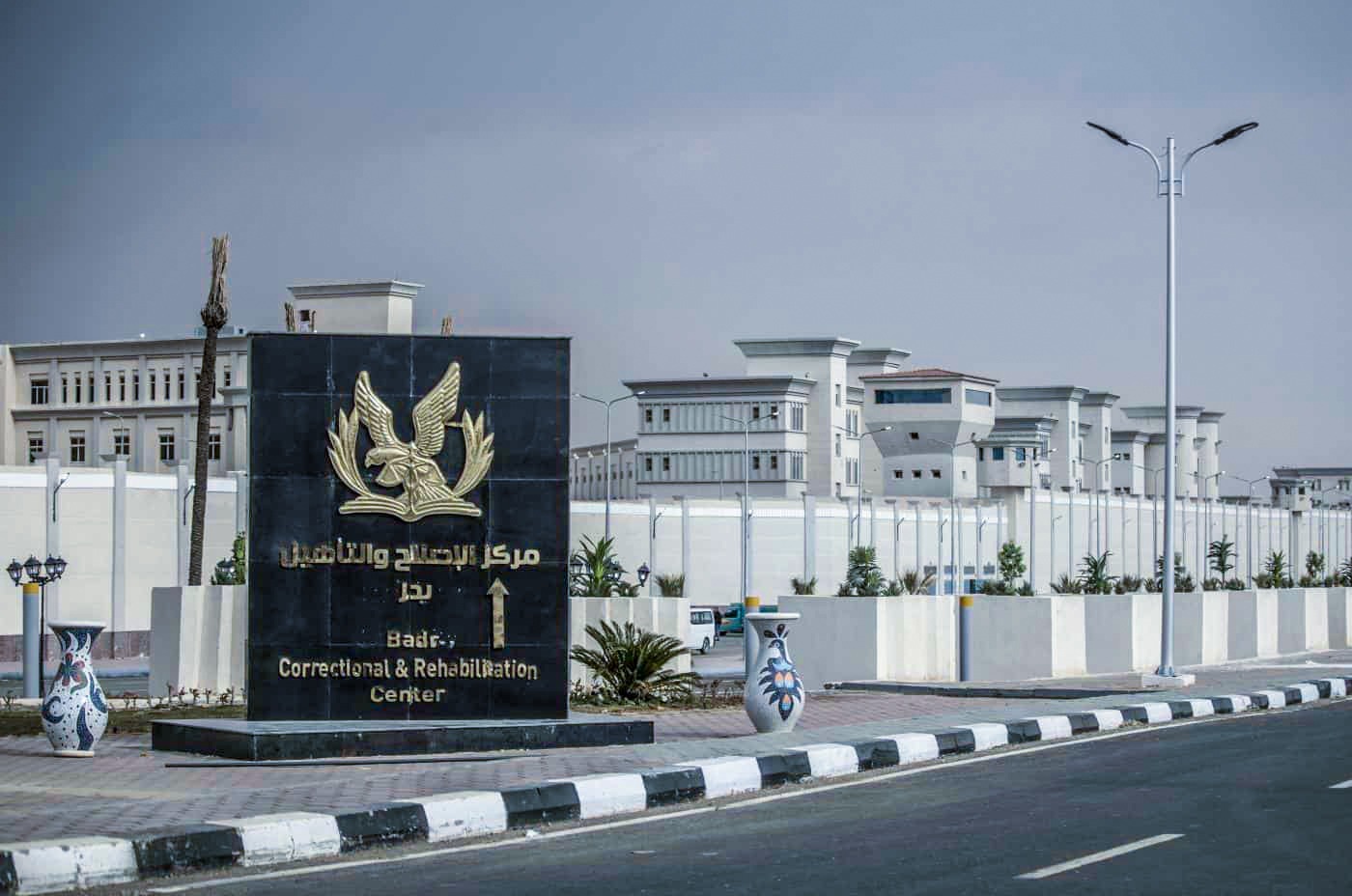
Human Rights Groups Fear for the Safety of Detainees at Badr 1 Prison amid Reports of Assaults and a Security Escalation
The undersigned organizations condemn the violations reportedly inflicted on detainees held at Badr 1 Prison, including physical assaults, degrading searches, and the denial of the basic rights of detainees and their families. The organizations express grave concern over reports that force was used against detainees, leaving several injured, while others were transferred to undisclosed locations amid a lack of transparency and serious difficulties in verifying their health, safety, and whereabouts.
According to information documented from several separate sources, Badr 1 Prison witnessed heightened tensions and an escalating confrontation at approximately 9:00 a.m. on Thursday, 11 June. The events followed protests by detainees against repeated searches of their cells, reported ill-treatment, ongoing restrictions, and the denial of family visits.
The events began when prison officers entered the cells to conduct another search. Detainees objected, protesting the repeated searches and the continued denial of visits. According to the information received, the prison administration regularly conducts forcible cell searches, during which officers reportedly storm the cells and damage detainees’ personal belongings.
The protests began in Sector 3 and subsequently spread to Sectors 1 and 4 of Badr 1 Prison. The situation escalated into physical confrontations between detainees and prison security forces after some detainees refused to return to their cells.
According to the accounts received, several detainees and one prison officer were injured during the confrontations. At least four detainees reportedly sustained injuries, some of them serious, including lacerations that were treated inside the prison.
Detainee Mohamed Hisham al-Nagili was also reportedly injured. There were reported difficulties in transferring him to the prison medical centre, and no confirmed information is currently available regarding his health condition or whereabouts.
In an attempt to resolve the crisis, four detainees went to negotiate with the prison administration. According to the accounts received, however, they have not returned to their cells. Reports indicate that they were subjected to a punitive transfer and moved to Badr 3 Prison.
The four detainees are Ahmed Sami Abdel Aal, Ahmed Rizq Salama, Omar Zakaria Abdel Hamid, and Mohamed Mahmoud al-Khouli. They were convicted in Military Case No. 123 of 2018, a case in which the defendants were subjected to widespread violations during their initial period of detention.
In protest at the detainees’ failure to return, the remaining detainees reportedly escalated their protest by refusing to receive food, setting blankets on fire inside their cells, and banging on cell doors. These protests continued throughout Thursday and Friday.
During the scheduled prison visit on Saturday, 13 June, families of prisoners held in non-political criminal cases were permitted to enter, while a number of families of detainees held in political cases were denied access to their relatives. According to the sources, the restrictions are believed to have primarily affected the families of detainees involved in the incident or those who had expressed solidarity with them.
Some families were also prevented from bringing food parcels into the prison, amid a noticeable tightening of visitation restrictions.
These events form part of a recurring pattern of violations documented at Badr 1 Prison over recent years. Such violations have included the denial or arbitrary restriction of family visits; the mistreatment of relatives during visitation procedures; severe restrictions on the entry of food, medication, and personal belongings; inadequate access to outdoor exercise; and prolonged isolation.
Other documented violations include medical neglect and delays in providing healthcare, punitive transfers to distant prisons, the use of solitary confinement, physical assaults, and other forms of ill-treatment that may, in some cases, amount to cruel, inhuman, or degrading treatment. These conditions have repeatedly prompted detainees to organize protests and hunger strikes demanding improved detention conditions and respect for their fundamental rights.
The undersigned organizations call on the Egyptian authorities to immediately disclose the fate and whereabouts of all detainees transferred or otherwise held in connection with these events; ensure that all those injured receive prompt and adequate medical care; and end all forms of degrading treatment and collective punishment against detainees.
The organizations further call on the authorities to allow families to communicate with and visit their detained relatives in accordance with the law, and to open an independent, impartial, and transparent investigation into these events, with a view to holding accountable all those responsible for any violations and safeguarding detainees’ rights, physical integrity, and personal safety.
The organizations also call on the authorities to allow the National Council for Human Rights, representatives of civil society organizations, and the International Committee of the Red Cross to conduct urgent, independent, and unrestricted visits to Badr Prison, New Valley Prison, and other places of detention.
They further call on the House of Representatives to convene an urgent session to examine the recurring reports of violations in places of detention and hold the responsible authorities to account.
Signatories
Egyptian Front for Human Rights
Egyptian Human Rights Forum
Law and Democracy Support Foundation
Sinai Foundation for Human Rights
El Nadeem Center
Refugees Platform in Egypt
EgyptWide for Human Rights
Tags
Recent Posts
Most viewed
Related Postes
 English content
 English content