


UN Experts Call on Egypt to Investigate Serious Violations in North Sinai and Raise Concerns about Possible War Crimes and Crimes against Humanity
Sinai Foundation for Human Rights (SFHR) welcomes the invitation extended by thirteen UN Special Rapporteurs and mandate holders to the Egyptian government to host the Special Rapporteur on counter-terrorism and human rights for an official visit. This follow-up visit would be the first visit to Egypt by the Special Rapporteur on the promotion and protection of human rights and fundamental freedoms while countering terrorism since 2009.
This call is made in a joint official communication sent by the UN experts to the Egyptian government on 13 July 2026 (AL EGY 3/2026) and subsequently published on the UN website this September. It outlines the key concerns raised by the UN experts since 2010 regarding the extent to which Egypt’s counter-terrorism laws, policies, and practices align with its obligations under international human rights law. It identifies 14 key areas of concern in this regard and sets out accompanying recommendations to ensure that Egypt’s counter-terrorism measures are consistent with international human rights law.
The correspondence refers to 60 communications sent by UN experts to the Egyptian government since 2012 regarding the impact of counter-terrorism measures on human rights. The communications highlighted the recurring patterns of violations and persistent concerns. Although the Egyptian government has responded to approximately one-third of these communications, in several instances, the replies have not fully addressed the structural or systemic concerns raised or clarified the legal and evidentiary basis for certain practices. The experts explained that a country visit would provide an opportunity for constructive dialogue, independent assessment, and technical cooperation aimed at strengthening compliance with international standards.
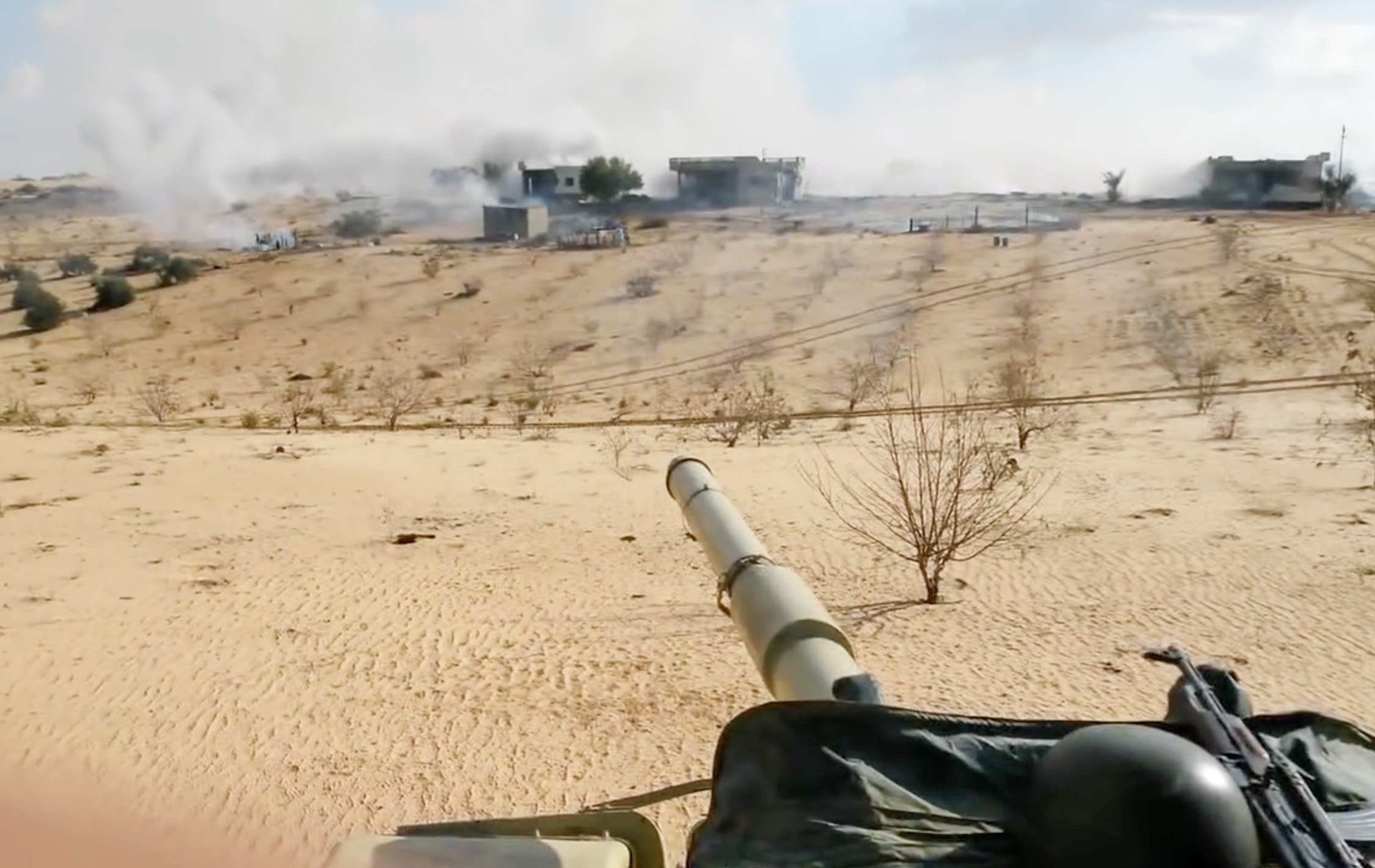
SFHR calls on the Egyptian government to invite the Special Rapporteur and to facilitate his visit. It further urges that any future visit include North Sinai and entail independent meetings with victims, their families, and civil society organisations. This would allow an assessment of the impact of counter-terrorism operations and the armed conflict in North Sinai, particularly between 2013 and 2022, as well as the post-conflict human rights situation.
Call for an independent investigation into mass graves and alleged serious violations in North Sinai:
SFHR supports the UN experts' recommendation to conduct an independent investigation into reports of mass graves in North Sinai to identify the victims and ensure their dignified treatment, notify their families, and provide accountability.
SFHR uncovered the location of a mass grave in North Sinai Governorate in an investigation published in September 2025 in partnership with Forensic Architecture. Situated in a desert area in a tightly restricted military zone inaccessible to civilians since 2014, the grave consists of two adjacent burial pits, evidenced to have been used in successive phases over several years. Human skulls numbering at least 36 and skeletal remains were exposed and visible on the surface. Over 300 individuals are estimated to have been buried at the site. Several bodies were dressed in civilian clothing, while others bore indications of being bound or blindfolded at the time of their deaths. Repeated movement of four-wheel-drive or military-type vehicles around the site between 2015 and 2023 was also revealed by satellite imagery. Multiple security installations surround the area, including watchtowers and fortified military positions established between 2014 and 2022.
This latest UN communication follows an earlier one sent by nine UN experts to the Egyptian government on 15 April 2026 (AL EGY 1/2026), based on information provided by SFHR and two other Egyptian human rights organisations regarding the aforementioned mass grave. The April 2026 letter addressed these allegations; the experts noted that the site was under regular military surveillance and some of those buried there were indicated to have been in security force custody prior to their deaths.
Call for Comprehensive and Independent Inquiry, Accountability and Reparation:
In their latest communication, the UN experts have stated that the scale of alleged violations in North Sinai necessitates conducting a comprehensive independent inquiry and accountability process to address all aspects of the conflict, provide accountability, search for those forcibly disappeared, and inform their families.
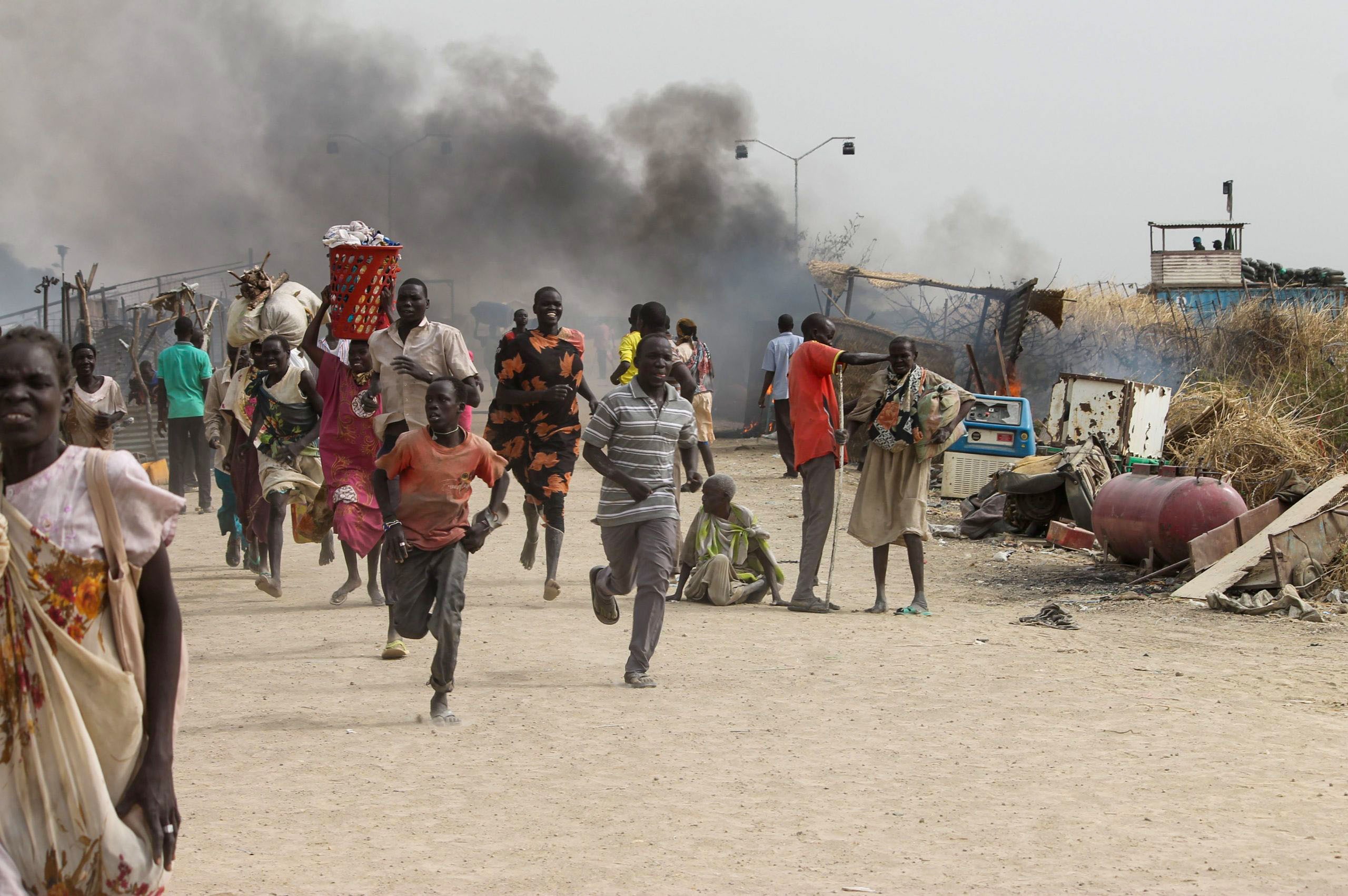
The correspondence refers to three previous communications, sent in 2020, 2024, and 2026 by UN experts to the Egyptian government, highlighting systematic violations resulting from security and military operations in North Sinai since 2012. These violations included enforced disappearances, unexplained deaths, torture, forced displacement, property destruction, and infringements of the rights to education,and freedom of movement, as well as cultural and children's rights. The experts expressed deep concern that the prolonged state of emergency and broad counter-terrorism powers in North Sinai had resulted in human rights violations, including unlawful civilian harm, arbitrary forced displacement, unjustified restrictions on freedom of movement and other rights, lack of judicial safeguards, and lack of accountability.
The experts reiterated their concerns that the alleged violations in North Sinai appeared to involve serious violations of international human rights law and international humanitarian law, including possible war crimes and crimes against humanity, and that there had been a lack of independent investigation, accountability, remedies, and reparation.
Regarding enforced disappearances and arbitrary detention, the letter recommends that the Egyptian government must disclose all places of detention, systematically register all detainees in North Sinai, grant them immediate access to legal counsel and their families, and ensure their prompt appearance before a judicial authority. The experts also called on Egypt to become a party to the International Convention for the Protection of All Persons from Enforced Disappearance of 2006.
The letter further reiterates that Egypt should reform its counter-terrorism, security, and emergency laws and procedures in North Sinai to ensure their compliance with international human rights law and international humanitarian law. It emphasises that Egyptian counter-terrorism laws must be subject to periodic review, and that counter-terrorism measures and actors must be subject to a comprehensive system of internal and external oversight, including oversight by civilian institutions that are fully independent of both the counter-terrorism actors and the executive. It adds that these oversight bodies must possess sufficient legal mandates and broad powers, as well as the necessary resources and expertise.
SFHR supports these recommendations; since 2020, the organisation has published numerous reports documenting the patterns of violations mentioned in the UN experts’ letter regarding North Sinai. It has also sent letters and recommendations to the Egyptian government calling for redress and urging adherence to international human rights law and international humanitarian law in counter-terrorism operations in North Sinai. The organisation reiterates its vision that accountability, reform, and redress are rights for residents of North Sinai and are indispensable for ensuring long-term stability and effectively combating terrorism and extremism.
The letter was signed by the following mandate holders: the Special Rapporteur on the promotion and protection of human rights and fundamental freedoms while countering terrorism; the Special Rapporteur in the field of cultural rights; the Chair-Rapporteur of the Working Group on Enforced or Involuntary Disappearances; the Special Rapporteur on the right to education; the Special Rapporteur on extrajudicial, summary or arbitrary executions; the Special Rapporteur on the promotion and protection of the right to freedom of opinion and expression; the Special Rapporteur on the rights to freedom of peaceful assembly and of association; the Special Rapporteur on the right of everyone to the enjoyment of the highest attainable standard of physical and mental health; the Special Rapporteur on adequate housing as a component of the right to an adequate standard of living, and on the right to non-discrimination in this context; the Special Rapporteur on the situation of human rights defenders; the Special Rapporteur on the independence of judges and lawyers; the Special Rapporteur on the human rights of internally displaced persons; and the Special Rapporteur on torture and other cruel, inhuman or degrading treatment or punishment.
Tags
Recent Posts

Most viewed


Related Postes
 English content
 English content